
Jun-seo Park
Night Los Angeles, never more than four miles from his apartment.
Director, Writer, Producer
6.1k
Audience
- 42,233
- 2,524
Films
Upcoming
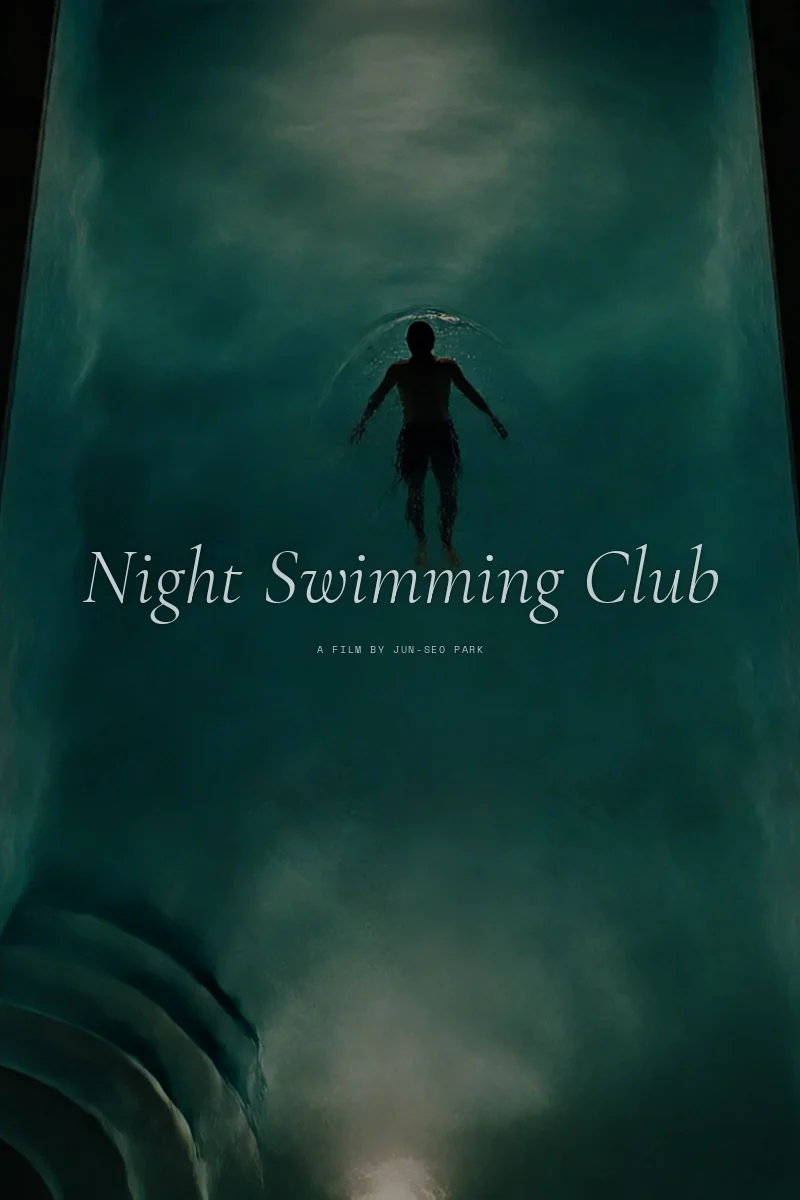
Night Swimming Club
The feature the proof of concept is for. Ninety pages, four pools, one summer.
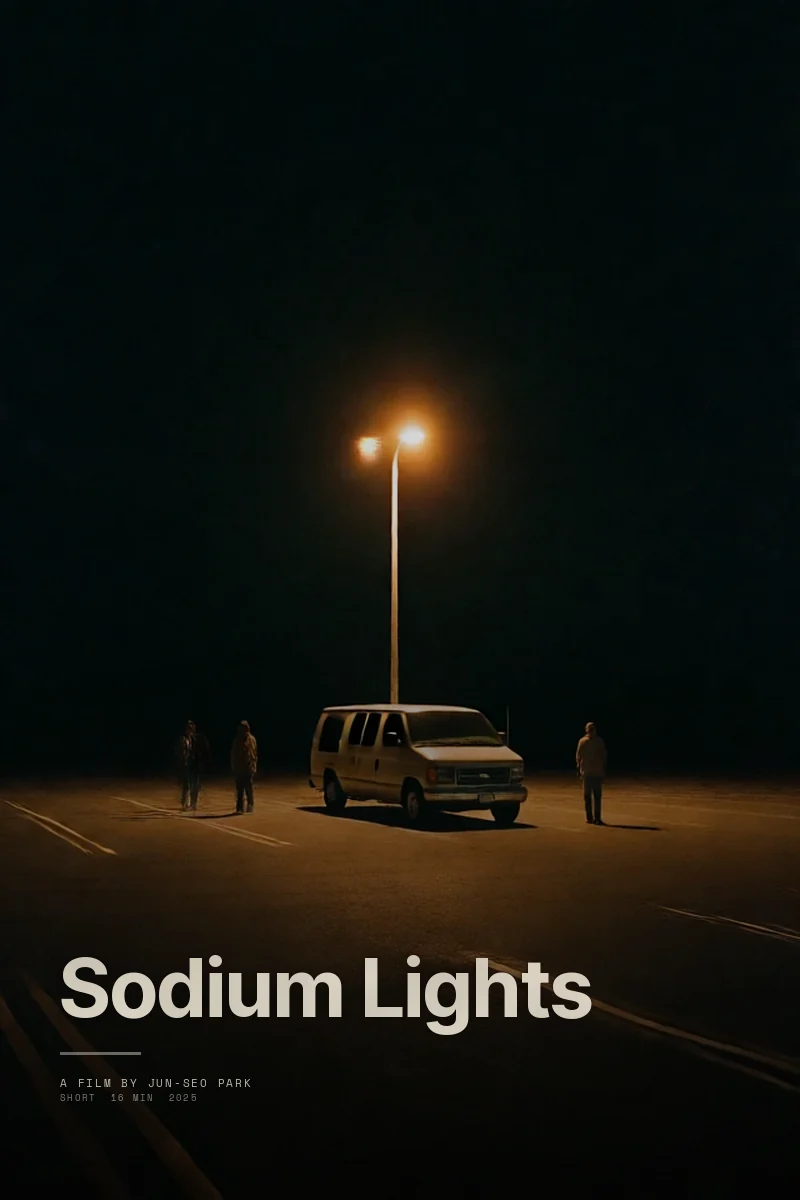
Sodium Lights, Los Angeles
Playing on the Shorts Night programme in Echo Park.
About
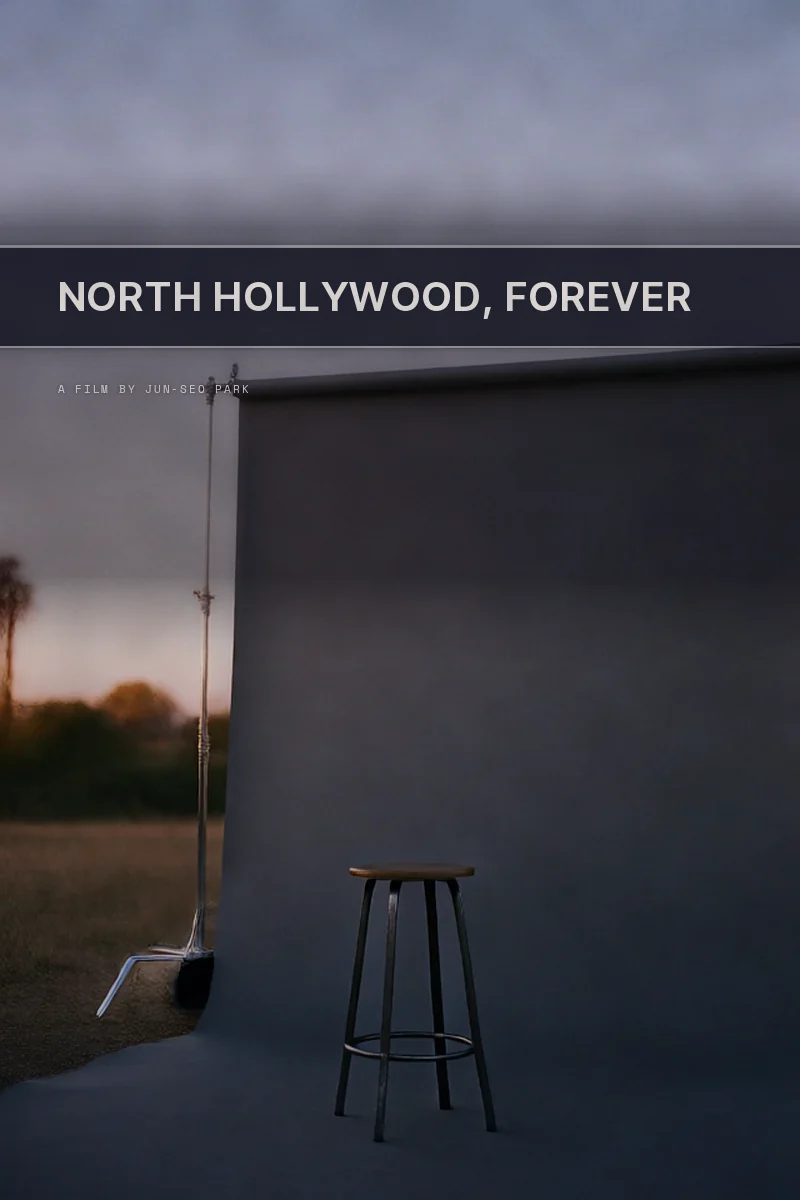
Jun-seo Park moved from Seoul to Los Angeles at nineteen to study architecture and left after two years for a job as a set dresser, which he describes as the same discipline with a deadline attached. He has lived in Koreatown since 2016 and has shot every film he has made within four miles of his apartment. North Hollywood, Forever was made across fourteen months of weekends in a friend's garage with a crew that never got above five people. He works with the cinematographer Hae-won Chung, who he met on a commercial he was dressing, and the editor Grace Sohn, who cuts on a machine in her mother's dining room in Cerritos. He storyboards everything and then throws the boards away on day one. He has said more than once that he only knows how to shoot at night and is trying, slowly, to learn daylight.
Credits
- North Hollywood, ForeverDirector and writer
- Sodium LightsDirector and writer
- Night Swimming ClubDirector and writer
- LookoutSound design
- Vermont and 6th
Collaborators
The people they keep working with.
- Hae-won ChungCinematographer
- Grace SohnEditor
- Danny VueProducer
- Yuna BaekComposer
 Caleb RourkeDirector and cinematographer