Adaeze Nwosu
I write about films for money, badly paid, and about films for nothing, which is where the real work goes. London. I am hard on things I love. If I am rude about a film here, assume I watched it twice.
4
11
1
3
11
I write about films for money, badly paid, and about films for nothing, which is where the real work goes. London. I am hard on things I love. If I am rude about a film here, assume I watched it twice.
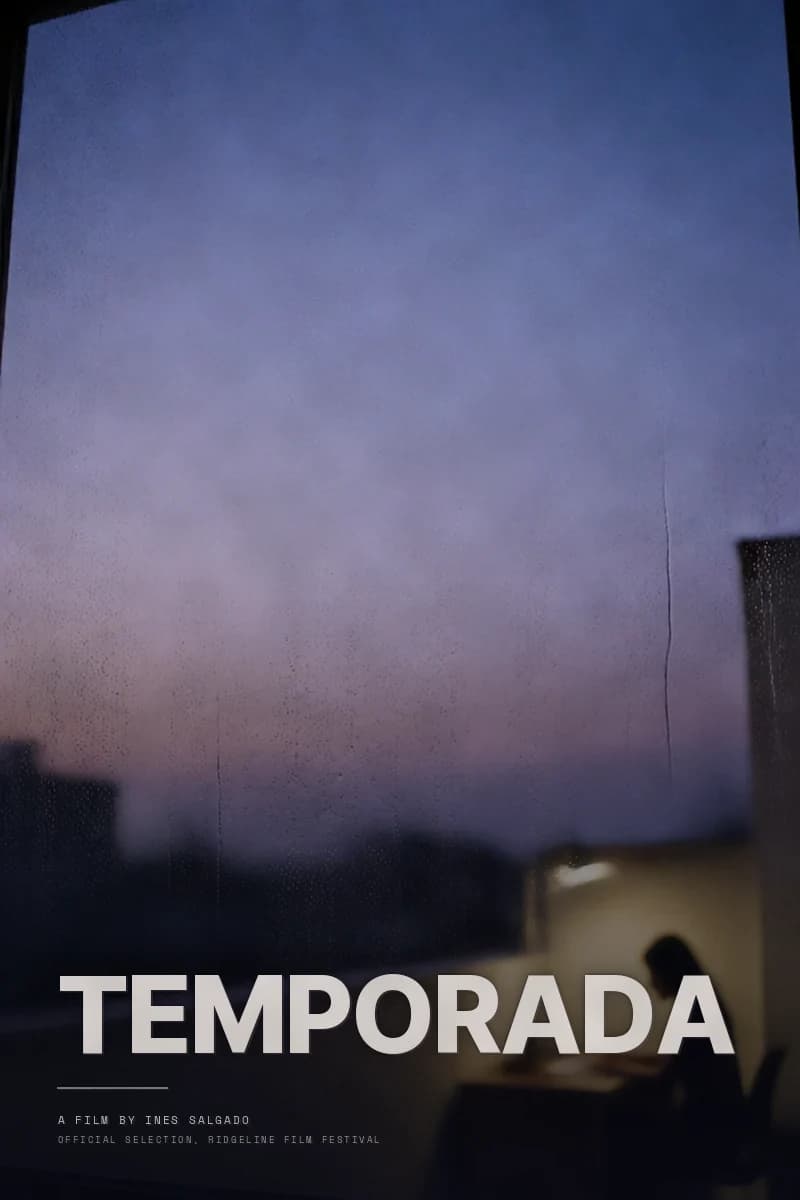
Salgado is very good at the thing she is good at, and Temporada spends eighty six minutes proving it. The night photography is the best I have seen this year, and the sound design in the apartment scenes does more work than the script. My reservation is the brother. He arrives to carry a theme and leaves once he has carried it. Everyone else in this film is a person. He is a device. Still, the last shot earned my four.
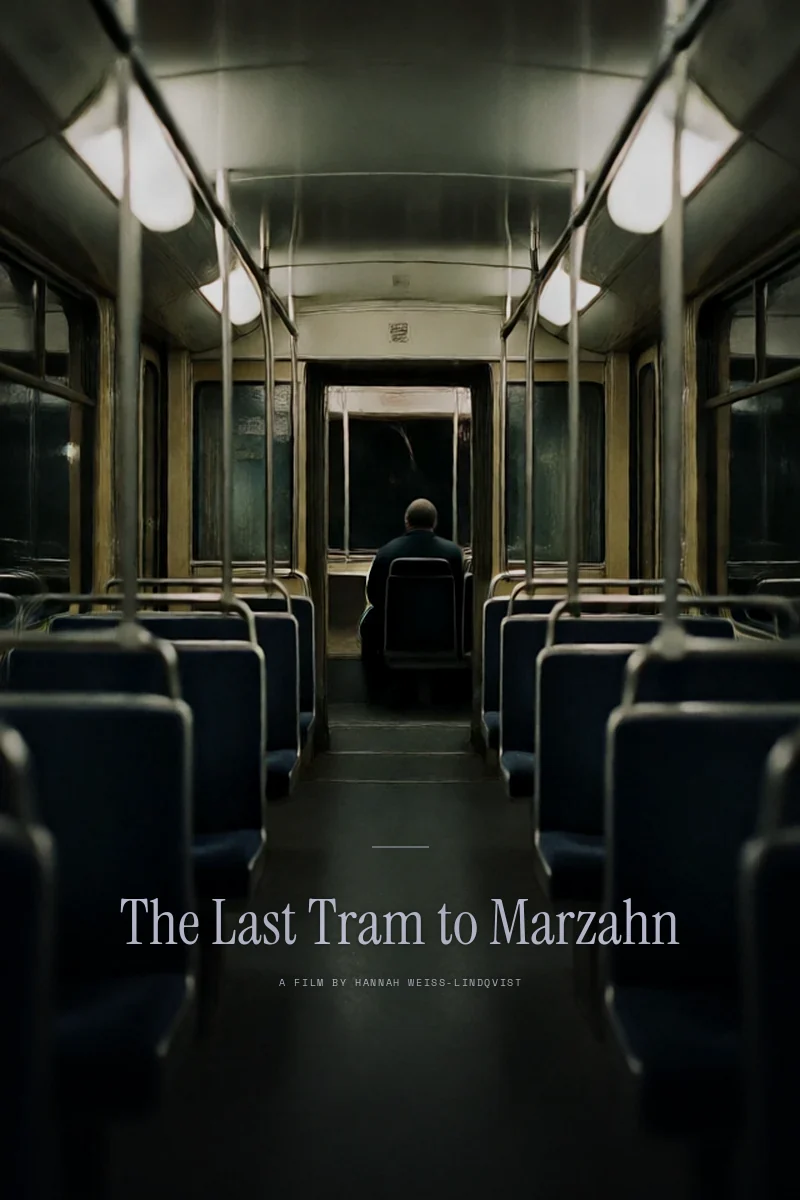
Seventy nine minutes, most of it on public transport, and it earns its length by never letting the two of them get comfortable. The conversation about her brother is the best written scene I have heard this month, and the film has the sense to shoot it from outside the window with the sound slightly off. My one complaint is the last five minutes, which explain something I was happier not knowing.
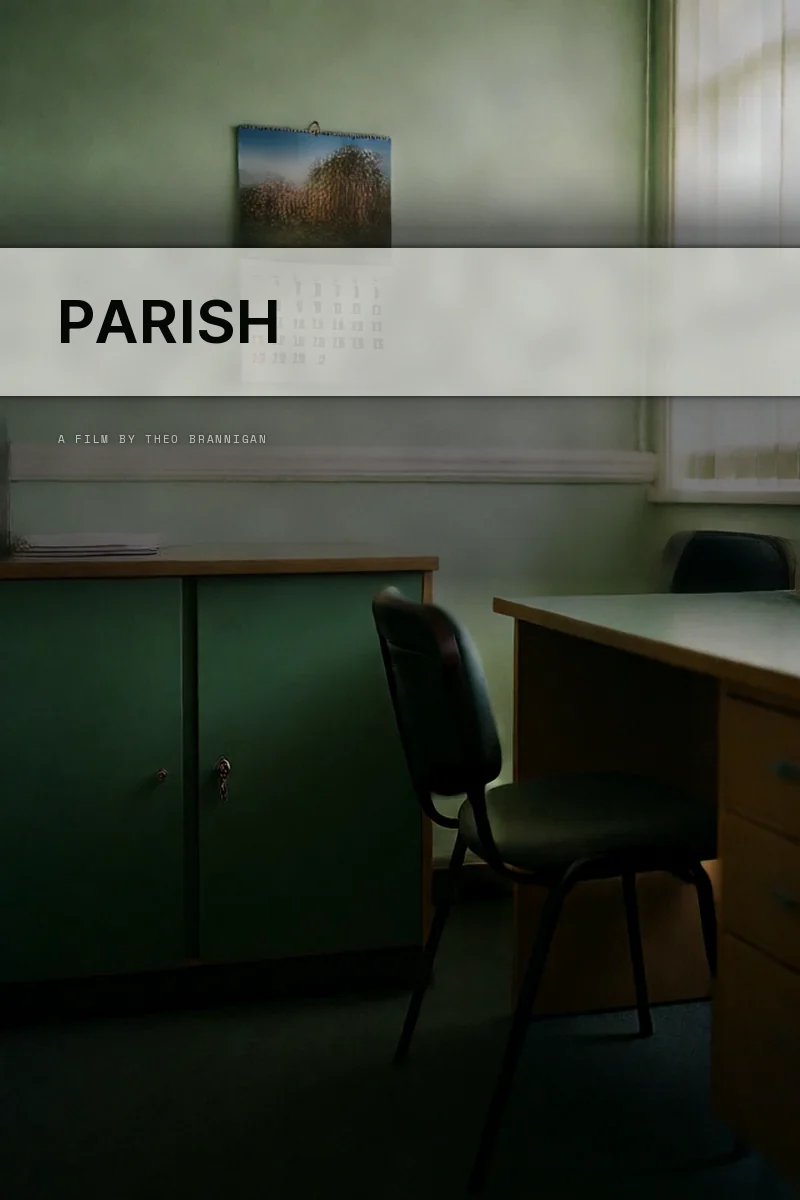
The writing is sharp and the priest is a genuinely new character, a man who has stopped believing but has not stopped working, which is more interesting than doubt. What holds it back is that it looks like television from twelve years ago. Flat, front lit, safe. Brannigan has a voice. He needs a camera department that has one too.
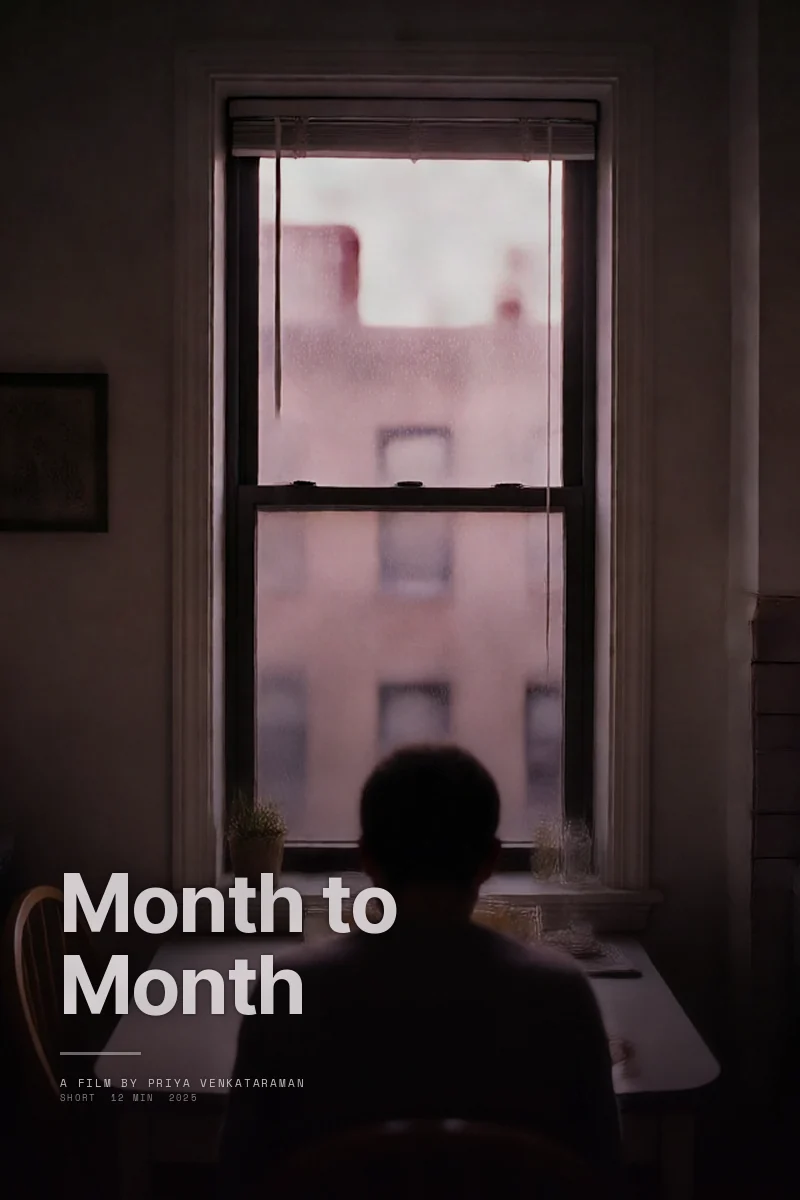
Venkataraman writes for actors who can do two things at once, and the woman playing the broker does about four. The apartment tour is staged so that we always see the bad thing a second before the dialogue acknowledges it. Small, precise, well made. I would like to see her attempt something that scares her.

A film about a night that will not end, made by somebody who knows that the sun coming up is not automatically hopeful. The two long walking shots are the spine of it. I would have cut the phone call. Everyone I have argued with about this film says the phone call is their favourite part, so I concede nothing but I note the pattern.
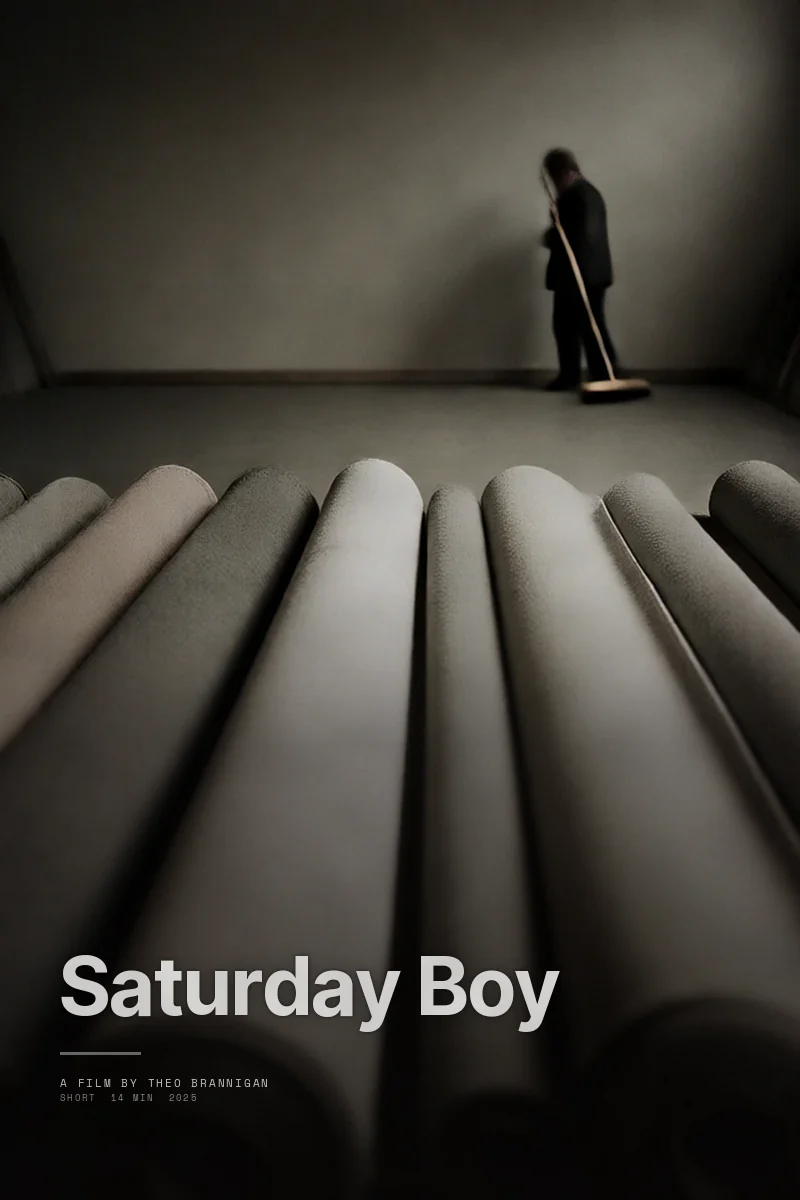
Charming, well made, and about eleven percent slighter than it thinks it is. Brannigan writes dialogue that actors clearly love to say, and the boy is a real find. But the film reaches for a bigger ending than it has built room for. The shop closes, the mood turns, and I did not believe the turn. I laughed a great deal on the way there.
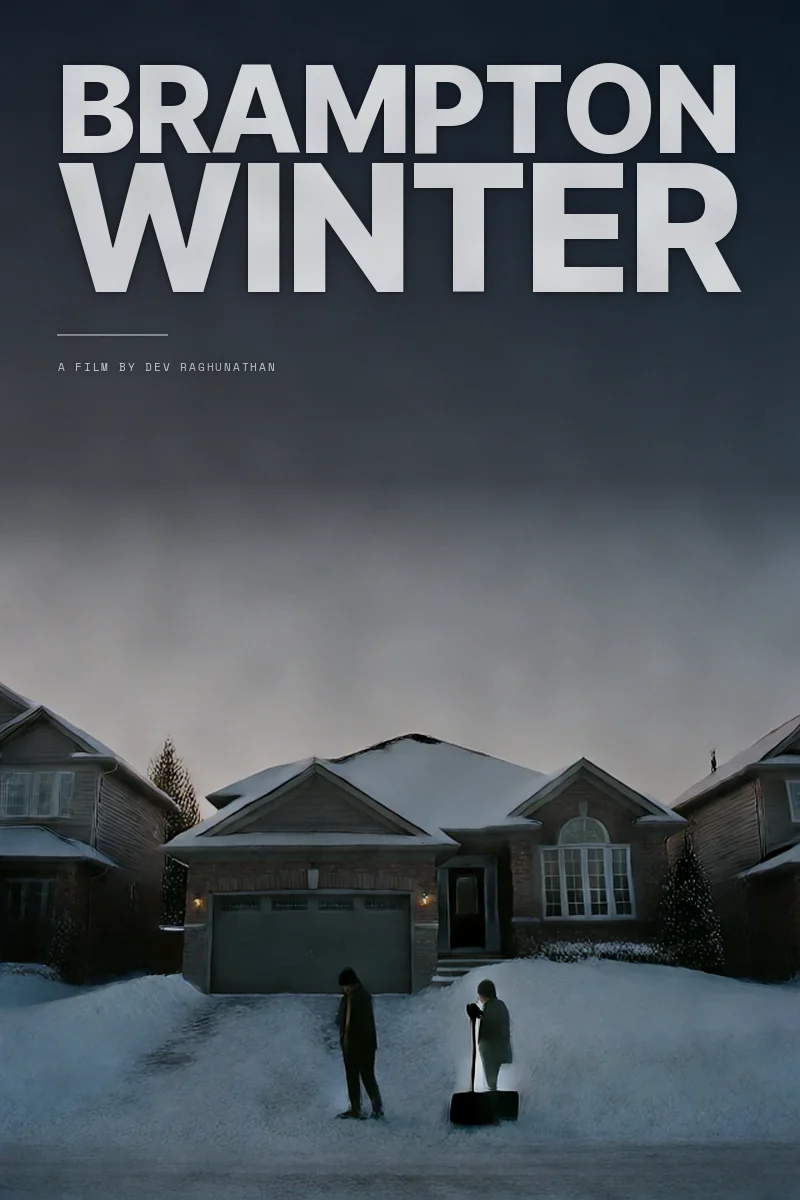
The thing I keep coming back to is that the father is allowed to be boring. Eighty eight minutes and he never once delivers the speech. He makes tea, he drives, he watches cricket at four in the morning with the sound off. Raghunathan trusts that a man's whole interior can be built out of what he does in a kitchen, and it turns out that it can.

Okafor does something I have not seen in a thriller in years, which is to let the violence be boring for the people committing it. The scene in the gas station office runs long past the point of tension and into a kind of admin. Two men waiting for a third. Somebody eats. That is when I got frightened. The last twenty minutes are conventional and I found I did not care.

I admire the patience and I do not believe the ending. Rourke builds ninety minutes of specific, physical, unglamorous work and then reaches for a genre gesture that belongs to a different film. The cast is excellent. The sound of the camp is excellent. I wanted it to trust its own boredom all the way to the end, and it blinked.