
Marisol Okafor
Georgia thrillers and memory pieces, shot on a Bolex from an estate sale.
Director, Writer, Editor
7.4k
Audience
- 64%
Films
Upcoming
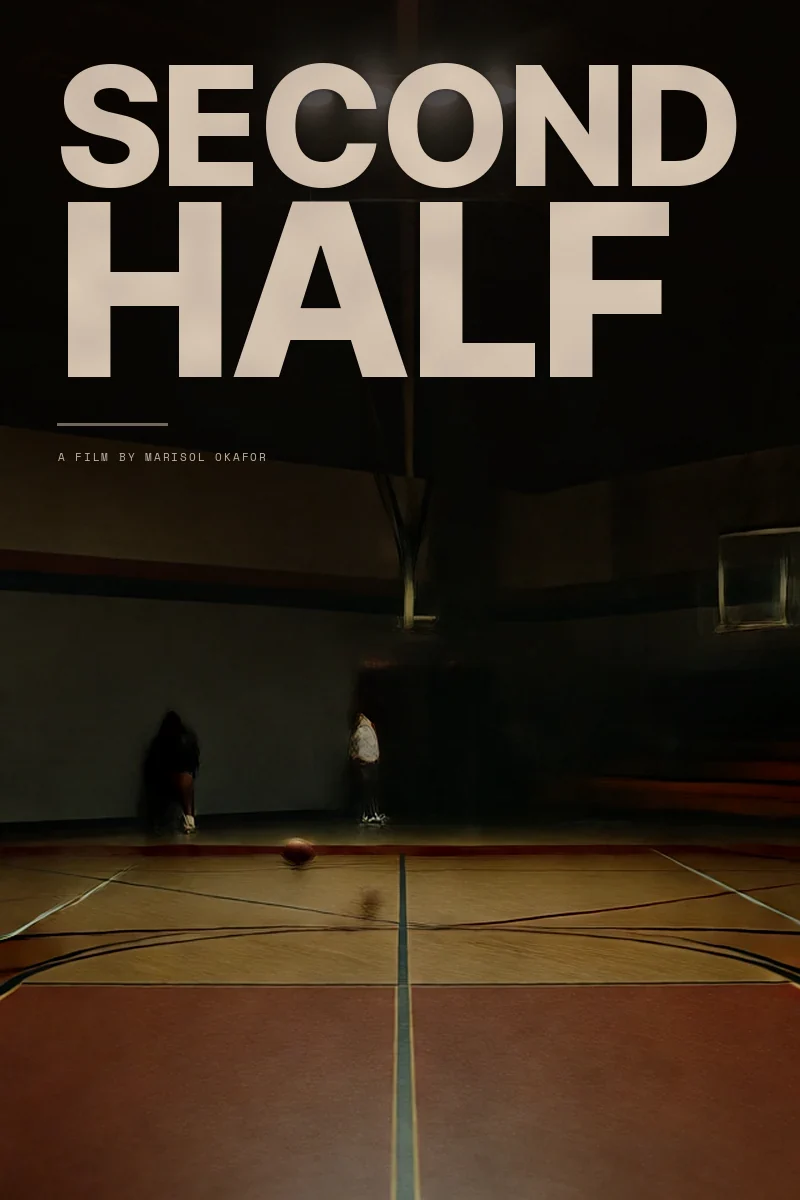
Second Half
The season runs one basketball season and one ninety day programme, side by side.
The Fall Line
A quarry, a drowned town and a survey crew. Shot outside Macon last winter.
Fulton Street Cinema. 146 people going.
About
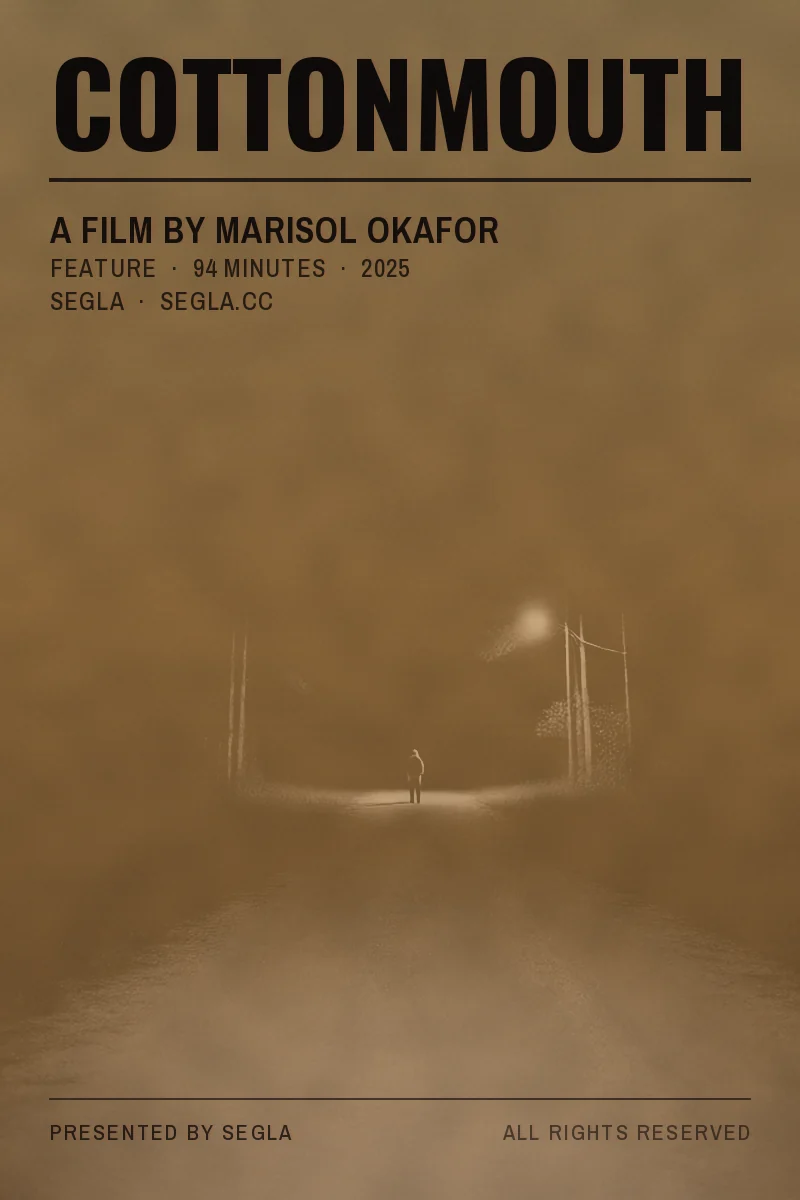
Marisol Okafor is from Macon and lives in southwest Atlanta, in the house her grandmother bought in 1979. She trained as a wildlife rehabilitation technician and worked five years at a raptor centre before she owned a camera, which is where Cottonmouth comes from. Her first films were made on a wind-up 16mm Bolex bought at an estate sale, and she still shoots on it when the film is about memory. She cuts her own work when she can afford the time and hires Danielle Pryor when she cannot. Her regular cinematographer, Tobias Renfroe, drives a school bus, which is where the route in Second Half came from. She has never applied to a film school and says the raptor centre taught her the only two things that matter, which are how to hold something that does not want to be held, and how to wait.
Credits
- CottonmouthDirector and writer
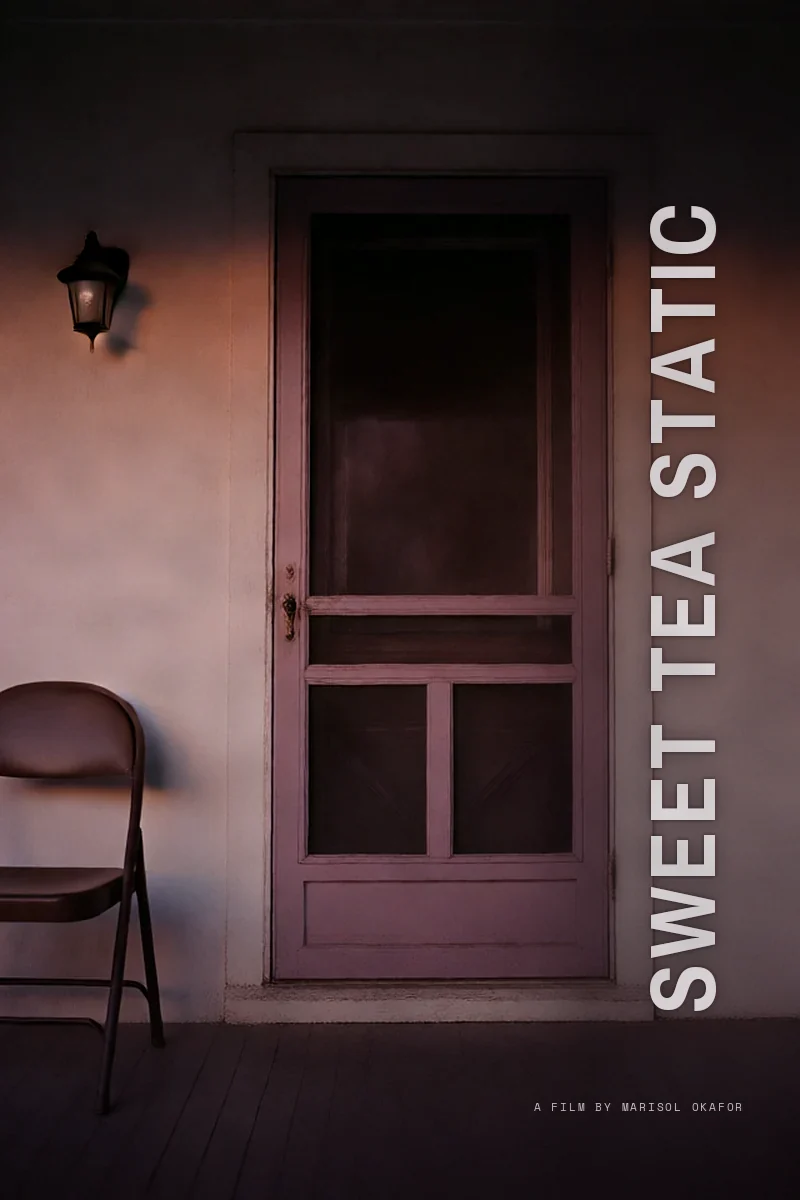
- Sweet Tea StaticDirector and camera
- Second HalfDirector and writer
- Lagos Island, 3 a.m.Editor
- Piedmont Raptor Center, "Intake"
Collaborators
The people they keep working with.
- Tobias RenfroeCinematographer
- Danielle PryorEditor
- Cheryl NnadiProducer
- Dontae BramlettComposer
 Kofi AnaneDirector and composer