Sweet Tea Static

The programmer's note
Put headphones on for this one. It is a picture cut to a tape, and on laptop speakers you get half of it. Okafor shoots on a wind-up camera, so every shot is under thirty seconds by physics, and the rhythm you feel is that limit being obeyed. The answering machine voices are her family. She has said she asked first. Eleven minutes, and it is better watched twice in a row than once.
The film
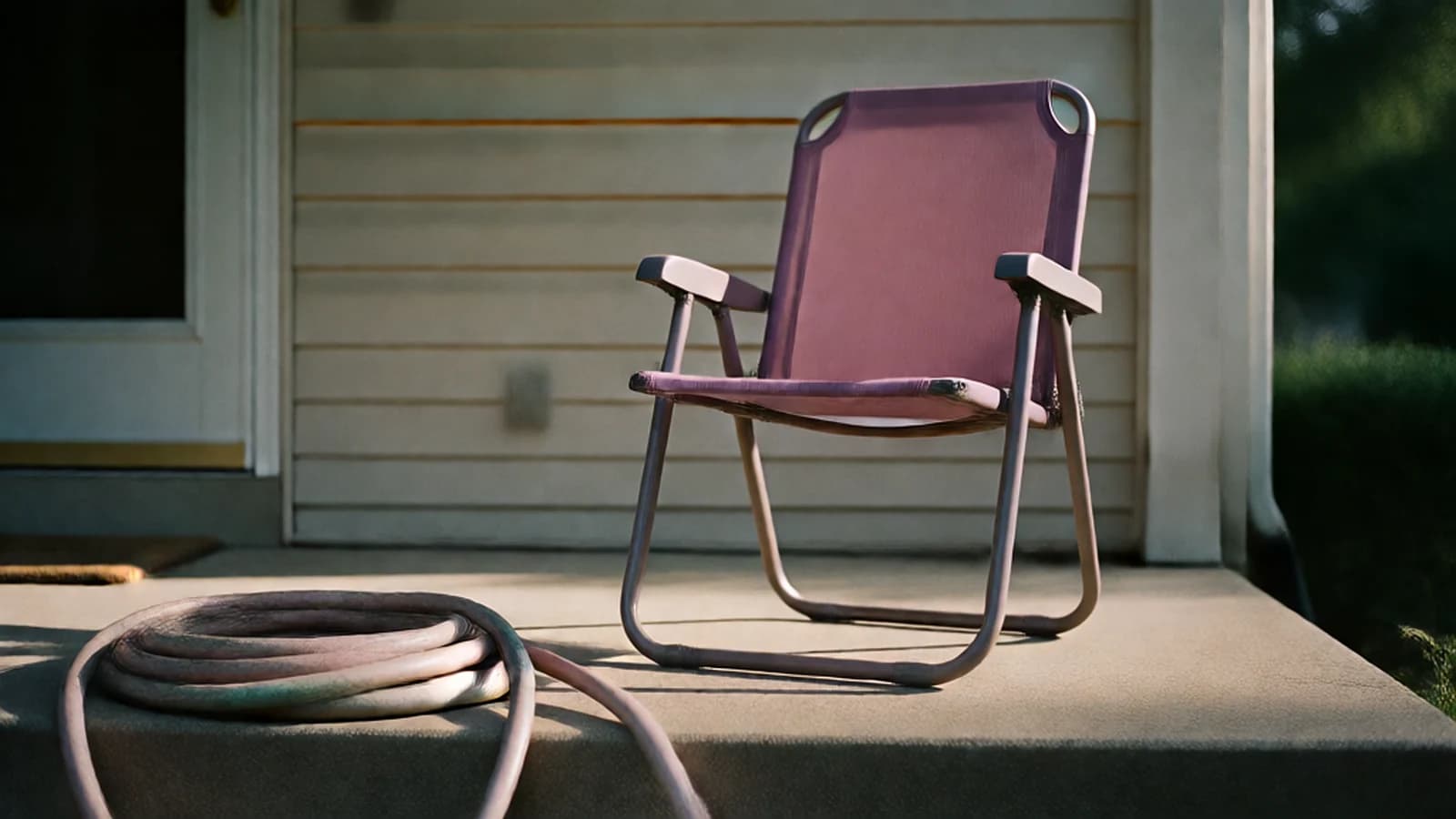
Okafor spent the summer of 2023 shooting her grandmother's block in southwest Atlanta on a wind-up 16mm camera that runs for twenty-eight seconds at a time. The images are ordinary and exact: a hose, a folding chair, a window unit dripping onto brick, a dog that will not come out from under a car. There is no dialogue and no narration. The score is the argument. Kofi Anane built it from two sources, gospel stations bleeding into one another across the AM dial in the hour before a storm, and forty-one messages left on an answering machine between 1998 and 2004. Voices arrive half formed, a hymn resolves in the wrong key, somebody says a name twice. The picture cutting follows the tape rather than the other way around, so the film breathes in twenty-eight second lengths and the sound decides where the breath falls. Sweet Tea Static is a memory piece that refuses to say whose memory it is, and at eleven minutes it does not outstay the trance.