
Aurelie Mbeki
Marseille, her own camera, crews of four, available light only.
Director, Cinematographer, Writer
3.4k
Films
Upcoming
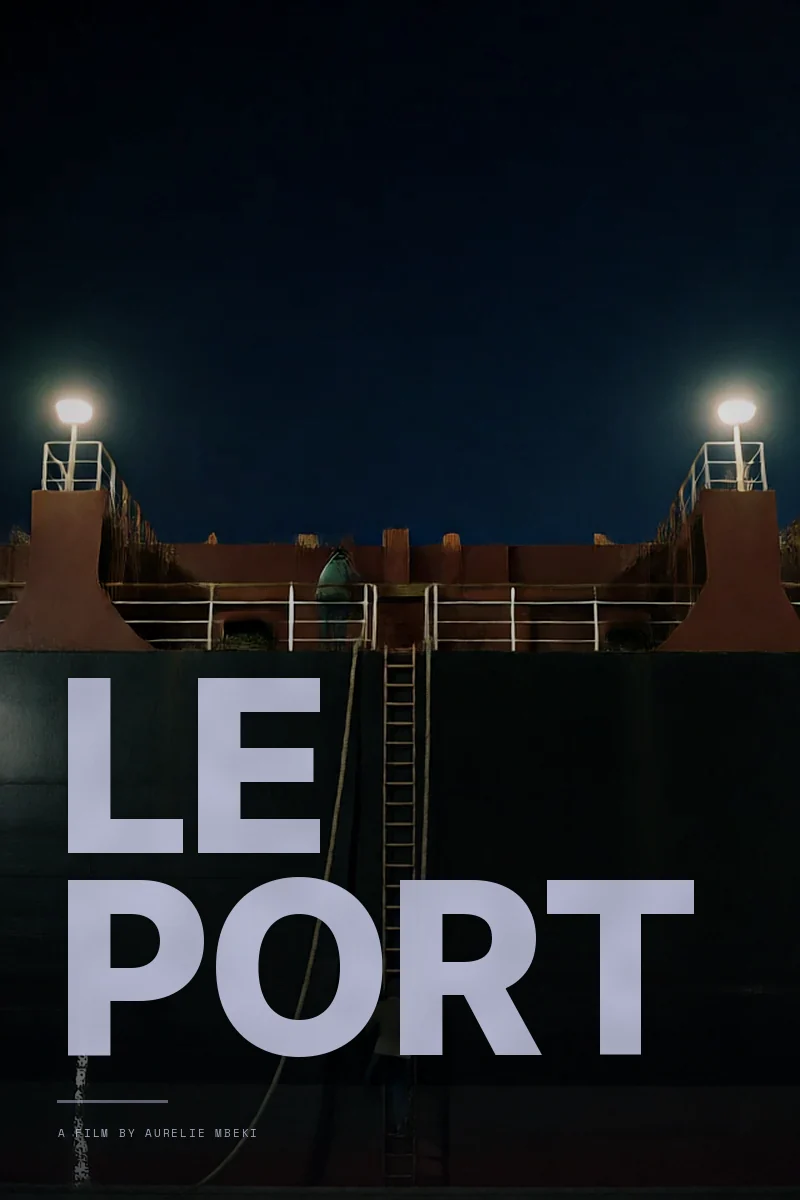
Le Port
The pilot is episode one. The season stays on the water the whole way through.
Cap Croisette
A first feature about a dive school that has lost its licence.
About
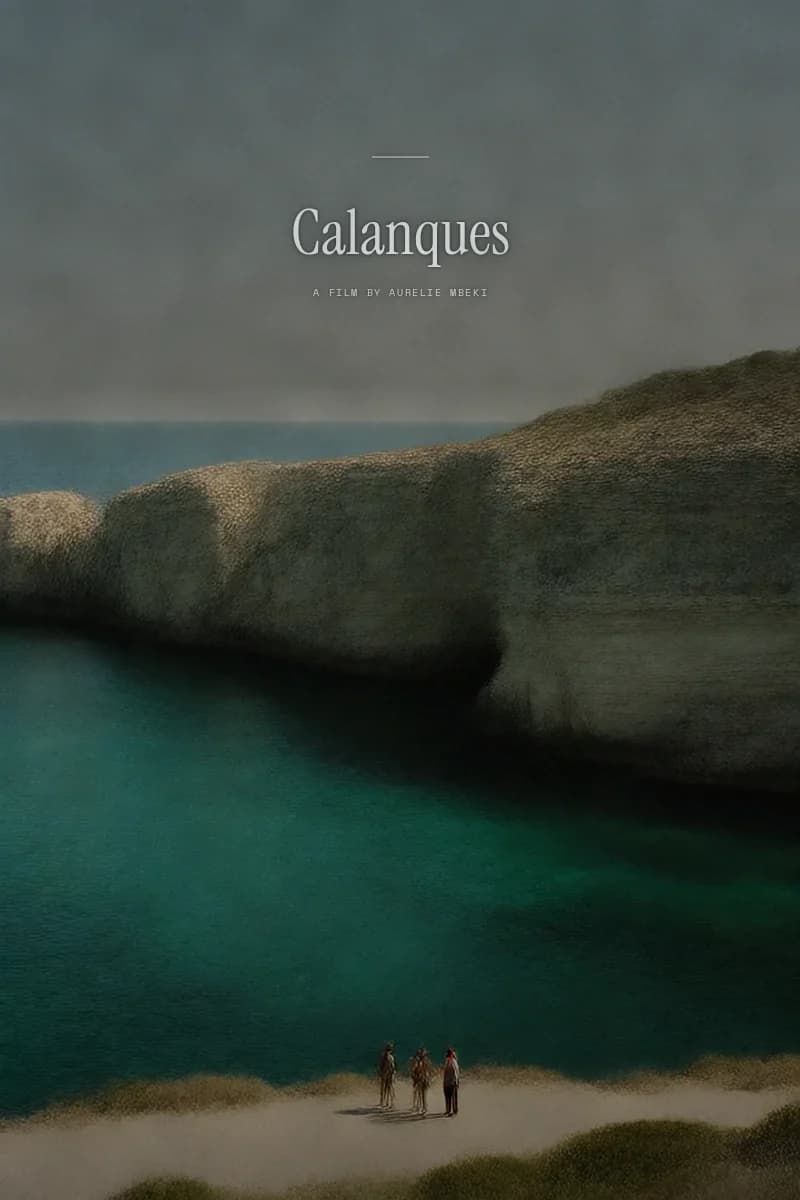
Aurelie Mbeki was born in Marseille to a Congolese father and a French mother and has never worked anywhere else. She began as a stills photographer on the port desk of a regional paper, which is how she got the access that made Le Port possible, and she still shoots stills between films. She operates her own camera on everything she directs, and takes paid camera work on other people's films for about half the year, most recently on Hannah Weiss-Lindqvist's Plattenbau Sommer in Berlin. Her crews are small on principle: Calanques was made by four people and a car. She shoots in available light, refuses to have a monitor on set, and cuts with Camille Ostrowski in Aubagne over roughly six weeks a film. She has said the sea is not a metaphor in her work and that people should stop asking her about it.
Credits
- CalanquesDirector and camera
- Le PortDirector and camera
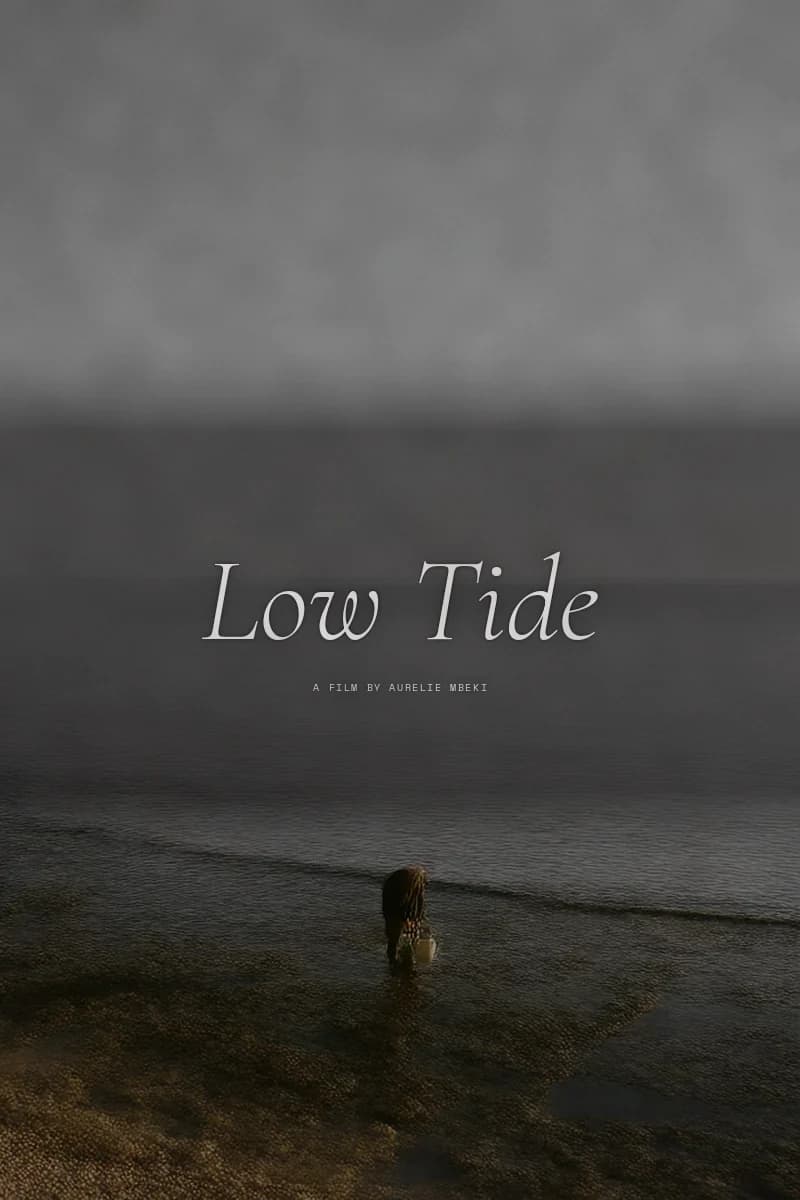
- Low TideDirector and camera
- Plattenbau SommerCinematographer
- Le Marégraphe, port deskStaff photographer
Collaborators
The people they keep working with.
- Camille OstrowskiEditor
- Salomé GirardProducer
- Bastien RouxSound
 Hannah Weiss-LindqvistDirector
 Theo BranniganEditor


