Low Tide

The programmer's note
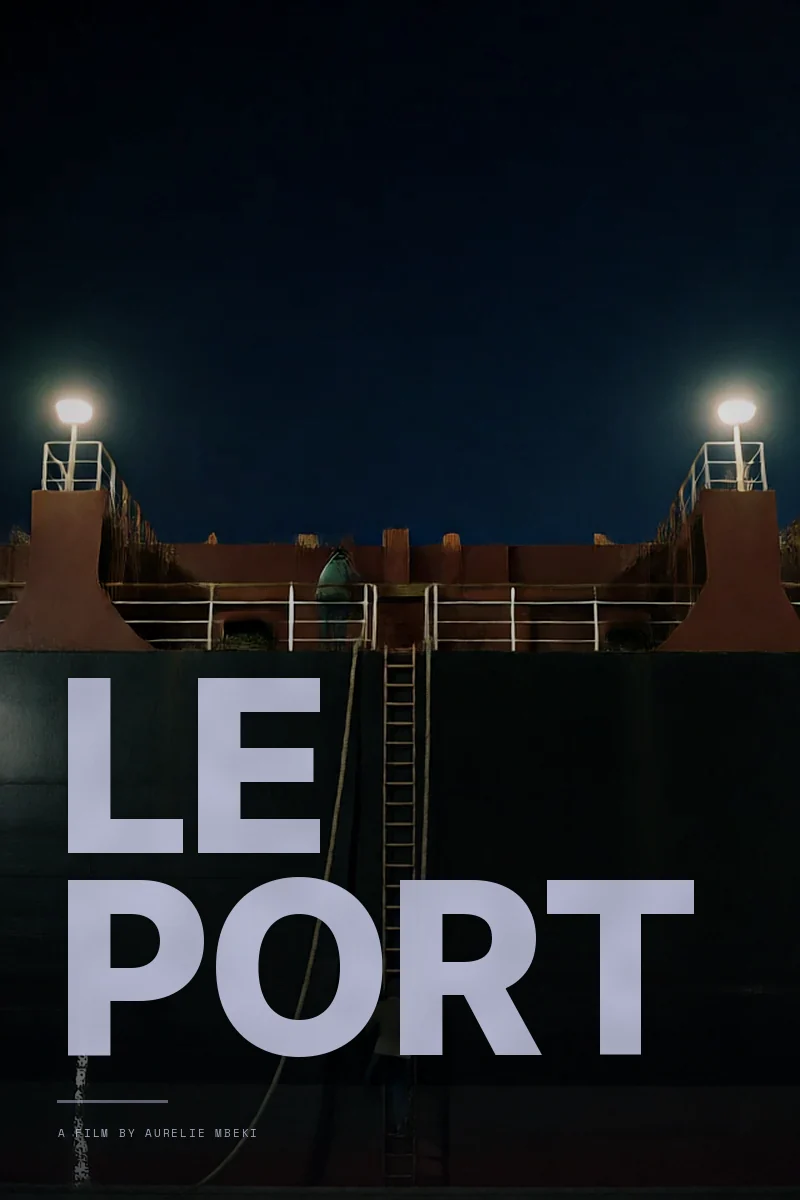
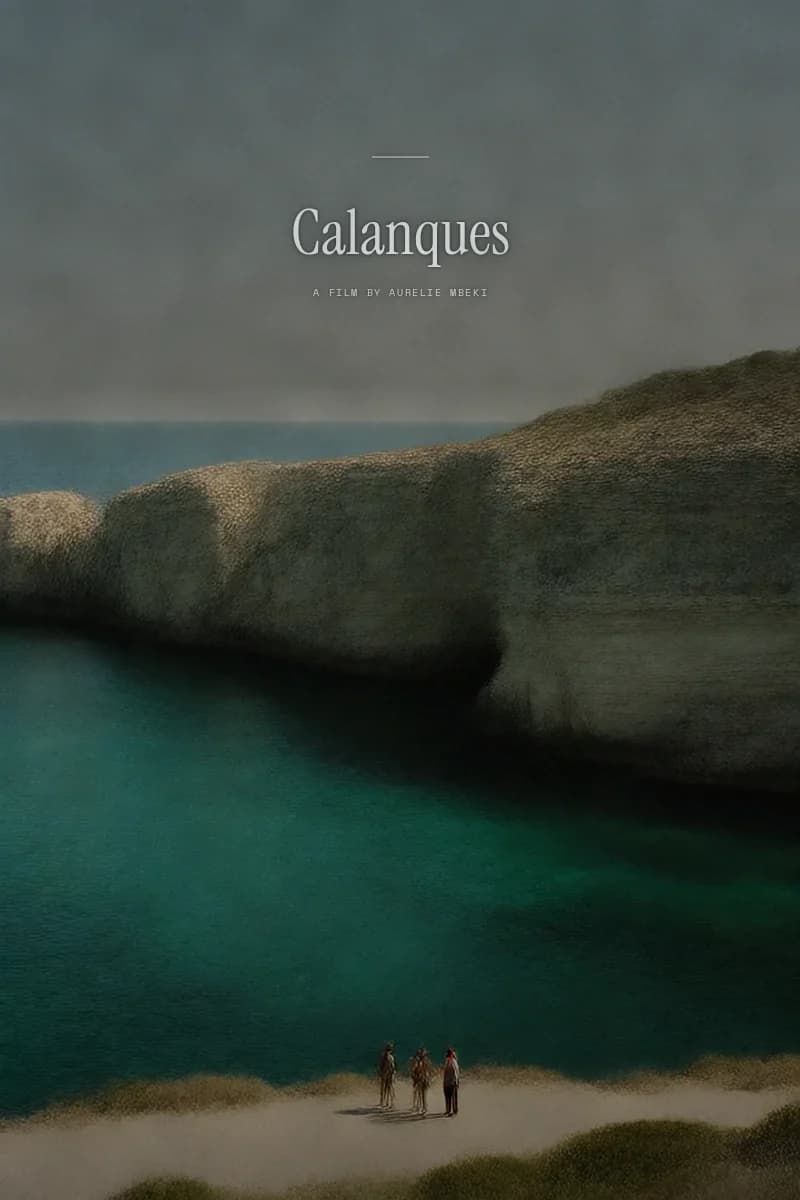
We programme very short documentaries carefully, because eight minutes is not much room in which to earn a stranger's attention on another stranger. This earns it in the first ninety seconds, on the sorting. Mbeki never asks Gilbert why. She films what he does until why is obvious, which is the harder and better choice. If you like this, the same instinct is all over Calanques.
The film
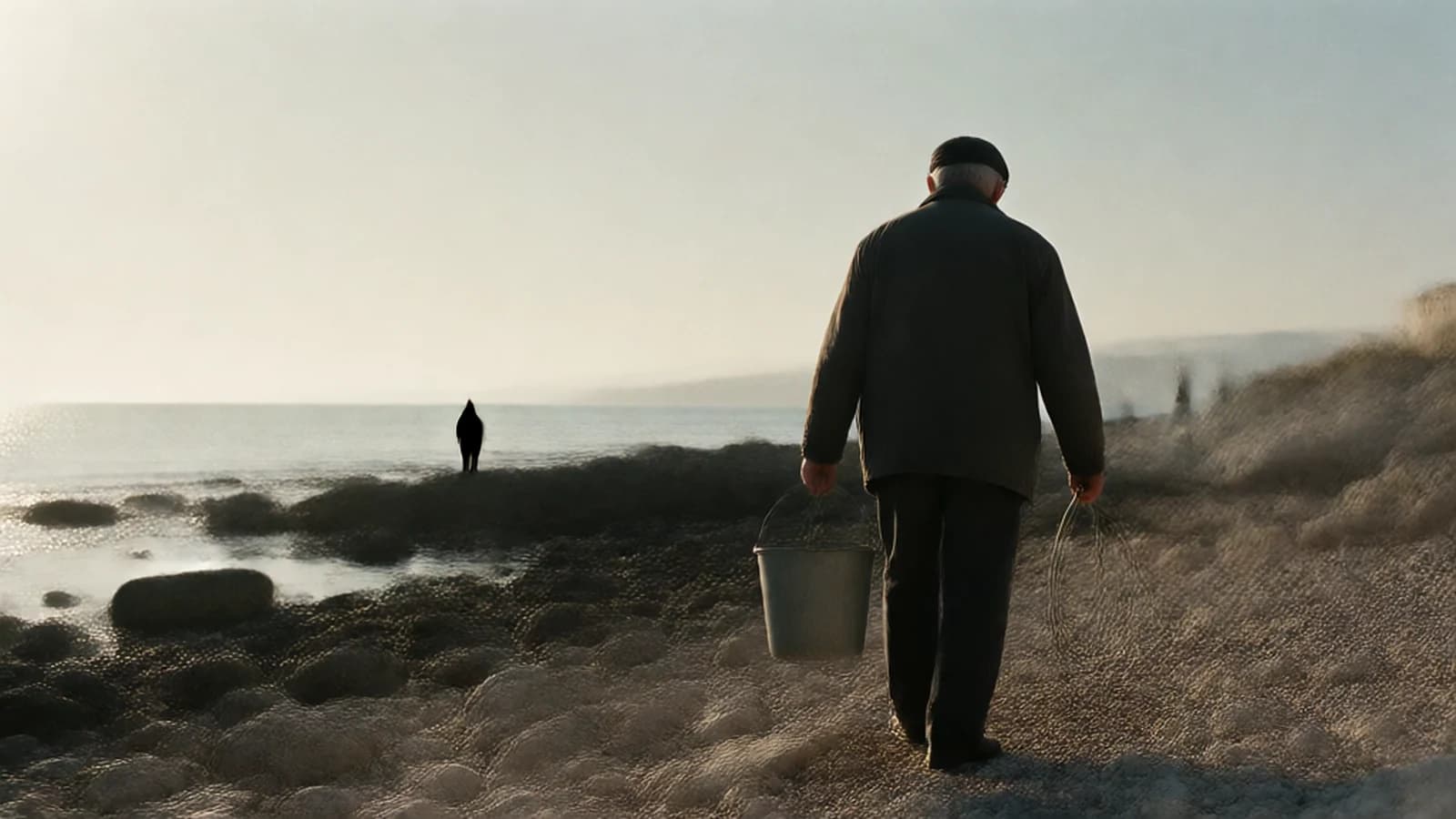
Gilbert Sanna is seventy-four. Six mornings a week, at whatever hour the tide allows, he walks a stretch of rock below the Corniche with a bucket and a length of wire. He is not collecting for money. He sorts what he finds into categories he invented himself: things that were thrown, things that were dropped, things that came off a boat, and things he cannot account for. Mbeki films four mornings across one winter, with no interviewer and no music. Gilbert talks when he feels like talking. The film's only formal move is the inventory: every so often it stops the walk and shows the objects laid out on a blue cloth on his balcony, labelled in a hand that has been doing this a long time. Eight minutes, one voice, and a quiet argument about what it means to keep a record nobody asked you to keep and nobody will inherit.