Makes films about the people who are awake at four in the morning.
Director, Writer, Editor
A second film set in the Hotel Bristol, ten years on, written for the same two leads.
In person for the premiere, with a conversation afterwards.
The Estrella. 182 people going.
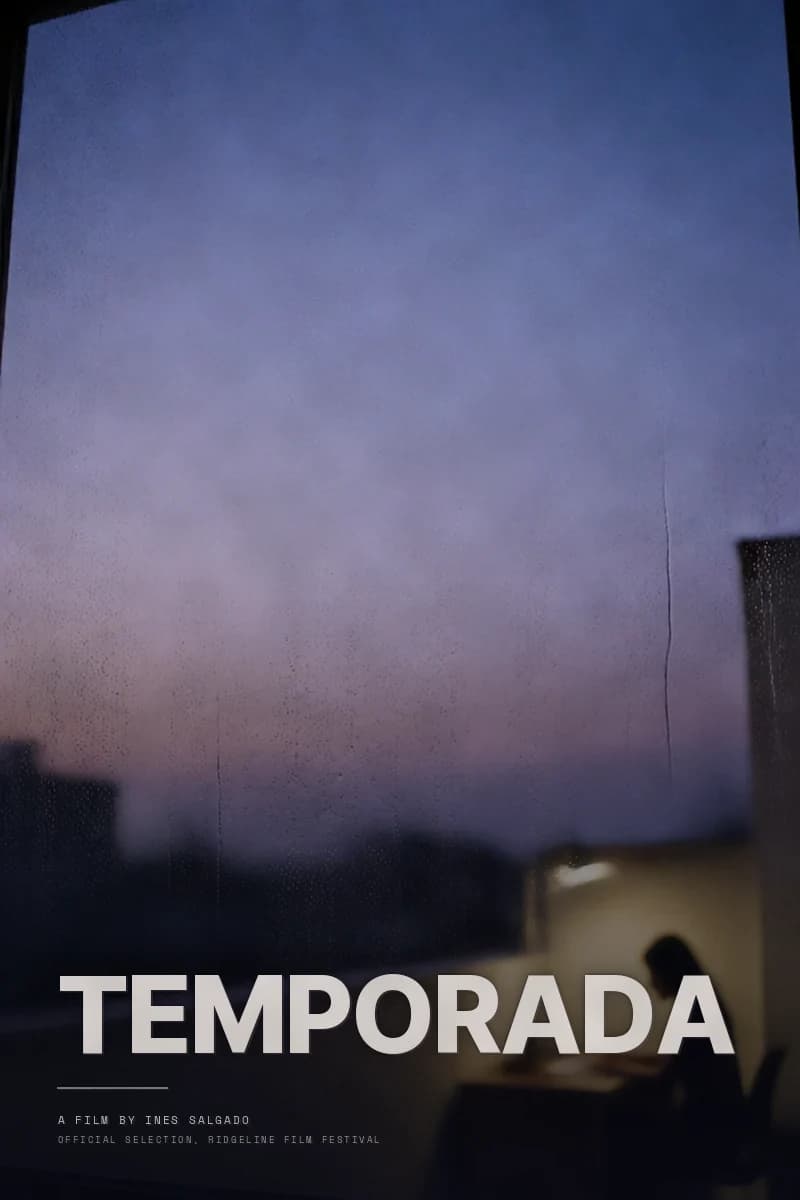
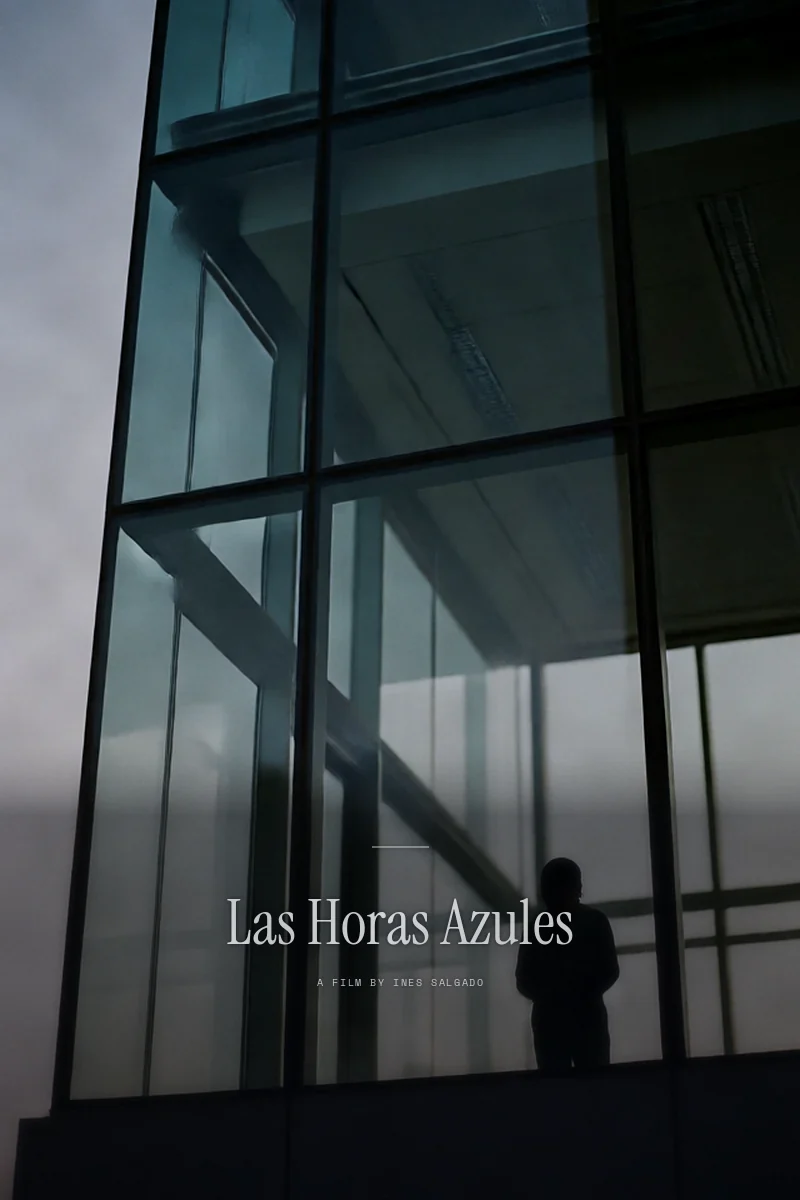
Ines Salgado grew up in Colonia Doctores and started in television as a script supervisor, which is where she learned to watch a set for continuity errors and, she says, for the moment a scene stops being true. She did not go to film school. She spent nine years on other people's productions, four of them alongside the cinematographer Renata Vidal, before shooting Las Horas Azules over eleven nights in a bank tower where a cousin worked security. She writes in longhand, shoots on a borrowed Alexa Classic and cuts with Paloma Bustos in a room above a print shop in Roma Sur. Temporada, her first feature, was made for about forty thousand dollars, most of it deferred, in a hotel that agreed to keep operating around the crew. She teaches a night-shift workshop for camera assistants twice a year and takes no fee for it.
The people they keep working with.
Followed Marisol Okafor
Followed Ines Salgado
Followed Kofi Anane
Reviewed The Last Tram to Marzahn
Watched it the night it went up, which I never do, because the trailer had a shot of a woman eating standing up at a kitchen counter and I wanted to know why that wrecked me. It is a film about a season ending and nobody admitting it. The daughter says almost nothing for forty minutes and then says one thing. I put my phone in another room for the second half.
The blues here are not the usual blues. Somebody resisted the urge to push the night toward cyan and let it sit closer to violet, which means the sodium streetlight through the window reads as warm instead of sickly. Skin holds all the way into the shadow. I watched the balcony scene three times just to see where the highlight rolls off. Whoever graded this trusted the audience with darkness.
Salgado is very good at the thing she is good at, and Temporada spends eighty six minutes proving it. The night photography is the best I have seen this year, and the sound design in the apartment scenes does more work than the script. My reservation is the brother. He arrives to carry a theme and leaves once he has carried it. Everyone else in this film is a person. He is a device. Still, the last shot earned my four.
I saw a rough cut of this in Dublin last winter when Ines was still cutting and I was still pretending my own film was finished. It has got longer and quieter since, and it is better for both. The scene at the bus window is the sort of thing you cannot plan. You have to be there with the camera running when it happens, and then you have to be brave enough to leave it uncut.
Structurally this is a two hander wearing a family drama as a coat. Count the scenes. The mother and the daughter are alone together nine times, and each one is shorter than the last. That is the design. By the eighth you are doing the arithmetic yourself and dreading the ninth. I would give a year of my life to have written the phone call at minute sixty two.
I watched this in February and I have not stopped thinking about the scene in the parking structure. Ines holds on the mother for eleven seconds after the daughter leaves frame. Eleven. Most films cut at four. That patience is the whole movie, and it pays off in the last ten minutes when nobody says the thing you have been waiting all film for them to say. Watch it late. It wants the dark.
I have been waiting for this since her short and it is better than I hoped. Two people on a tram at night is not a premise, it is a dare. What makes it work is that the film never lights the interior for the actors. It lights it like a tram...