La Siesta

The programmer's note
Ten minutes, almost no dialogue, and it will still be in your head in August. Ferreyra films heat better than anyone we programme: the light is blown out on purpose and the sound has the dead flat quality of one in the afternoon. Watch the neighbour's shutter. Her first feature arrives on the eleventh of September and this is the best possible preparation for it.
The film
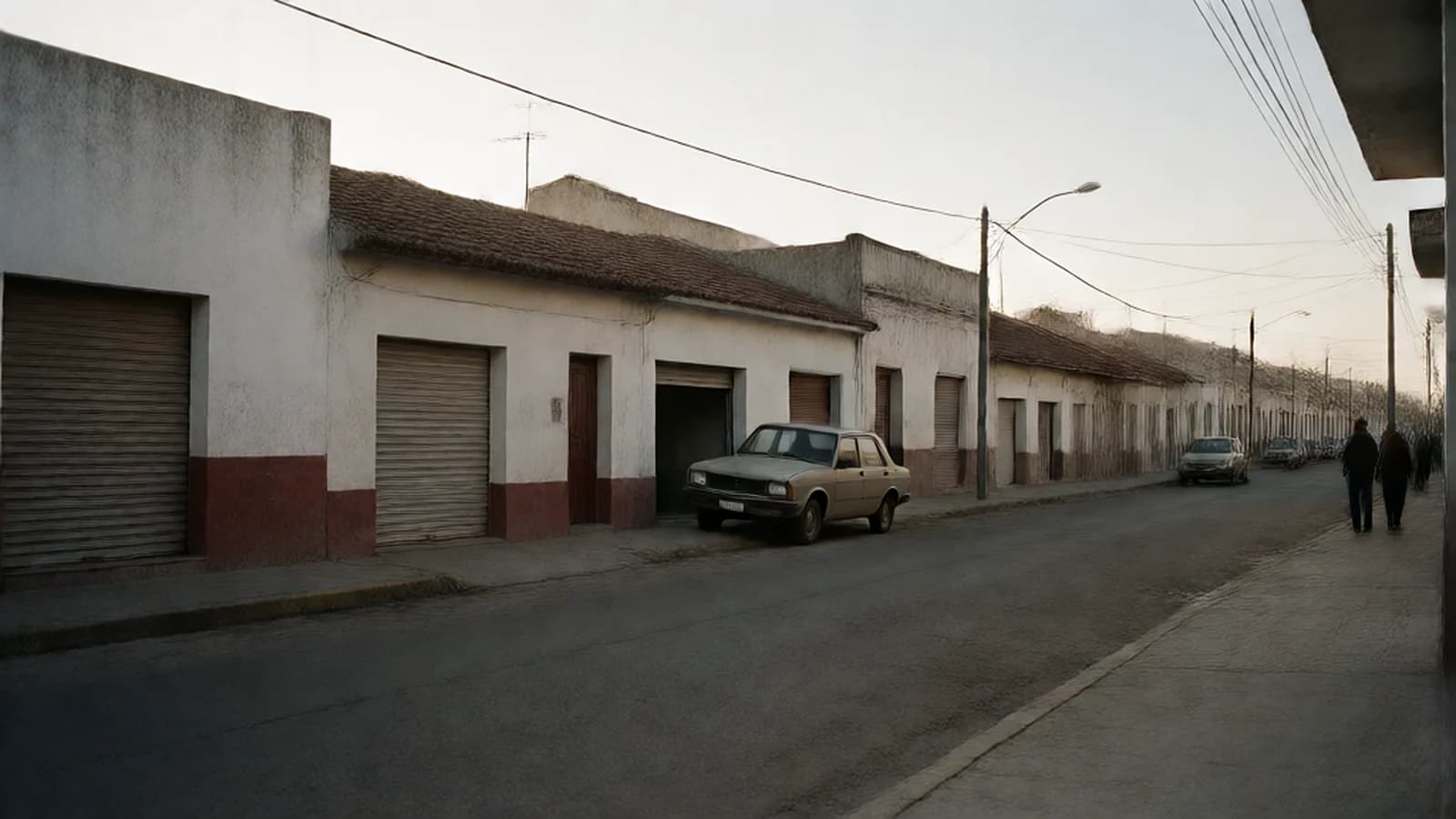
In Rafaela, in January, the town closes at one and does not open again until five. The heat is a physical fact. Behind every shutter somebody is lying down. Ceci is fourteen and does not sleep in the afternoon, and for eleven days now she has been taking her father's Renault out of the garage and around three blocks she has established are empty. Ferreyra shoots ten minutes almost entirely in white light and near silence: cicadas, a fan, the specific noise of a car being driven badly and very slowly by somebody concentrating extremely hard. There is no crisis. There is a neighbour who sees. The film is about the enormous private life a person can have in the four hours a day when nobody is watching, and about the exact moment a fourteen-year-old understands that being seen and being caught are not the same thing.